March 22, 2026
Meal Planning Tips for Foodies to Boost Efficiency
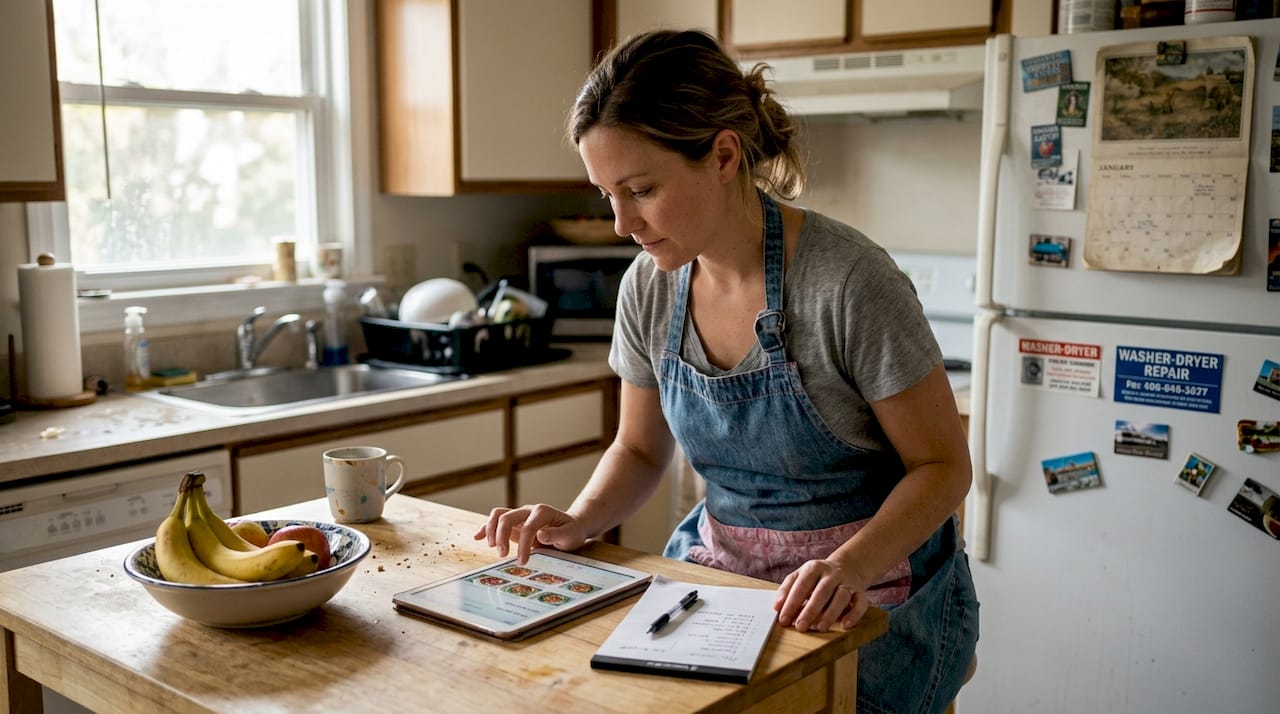
Meal planning often feels like a chore, draining your time and mental energy before you even start cooking. Yet it remains essential for efficient home cooking, reducing waste, and enjoying better meals throughout the week. New technologies and culinary techniques now enable smarter planning that blends tradition with innovation, transforming this task from burden to opportunity. This article explores actionable tips that leverage digital tools, batch cooking methods, and menu engineering principles to elevate your meal prep game and reclaim hours in your kitchen.
Table of Contents
- Key takeaways
- Harness AI-powered meal planners for fast, personalized scheduling
- Use living cookbooks and recipe management for effortless organization
- Maximize efficiency with batch cooking and component prep
- Plan flexible menus with theme nights and swap strategies
- Elevate dining with menu engineering and physiological sequencing
- Discover Mixova for seamless recipe import and meal planning
- Frequently asked questions
Key Takeaways
| Point | Details |
|---|---|
| Faster planning | AI meal planners cut planning time from hours to minutes and can reduce monthly food costs by fifty to one hundred dollars. |
| Living cookbooks | Dynamic digital cookbooks automatically scale ingredients, consolidate shopping lists, and provide step highlighting to improve cooking flow. |
| Batch cooking | Batch cooking boosts efficiency and reduces food waste for home cooks and large gatherings. |
| Menu engineering | Menu engineering uses dish sequencing to improve flow and enjoyment in multicourse meals. |
Harness AI-powered meal planners for fast, personalized scheduling
Artificial intelligence has transformed meal planning from a tedious weekly ritual into a streamlined process. AI-driven planners use machine learning to tailor weekly menus around your taste preferences, dietary goals, and feedback from previous meals. These tools analyze your cooking habits and generate shopping lists that consolidate ingredients efficiently across multiple recipes. AI-powered meal planners reduce manual planning from 1-2 hours to as little as 5-10 minutes weekly, while cutting food costs by $50-100 per month.
The technology works by learning your preferences over time. When you rate meals or mark favorites, the algorithm adjusts future recommendations to better match your palate. Most meal planning apps also account for seasonal produce availability and can suggest substitutions when specific ingredients are unavailable or expensive. This adaptive approach means your meal plans improve week after week, becoming increasingly personalized to your household's needs.
Implementation requires minimal effort. Download an AI meal planner, input your dietary restrictions and preferences, then let the system generate your first week of meals. Review the suggestions, swap any recipes that don't appeal, and export the consolidated shopping list. Many platforms integrate with grocery delivery services, further reducing the friction between planning and execution.
Pro Tip: Regularly update your preferences in the app to enhance recommendations and reduce food waste. Mark ingredients you already have in your pantry to prevent duplicate purchases and get recipe suggestions that use up items nearing expiration.
Use living cookbooks and recipe management for effortless organization
Digital living cookbooks represent a quantum leap beyond static recipe collections. These dynamic platforms allow drag-and-drop placement of recipes into meal calendars, automatically scaling ingredients according to servings and combining overlapping grocery needs across multiple dishes. Living cookbooks consolidate ingredients from multiple recipes for automatic, accurate shopping lists and feature tools like step highlighting to improve cooking flow.
The organizational power extends beyond simple storage. When planning a dinner party with three courses, you can add all recipes to the same day and the system generates a unified shopping list, eliminating redundant items. If a recipe calls for one cup of chicken stock and another needs two cups, your list shows three cups total rather than separate entries. This consolidation prevents overbuying and ensures you have exactly what you need.
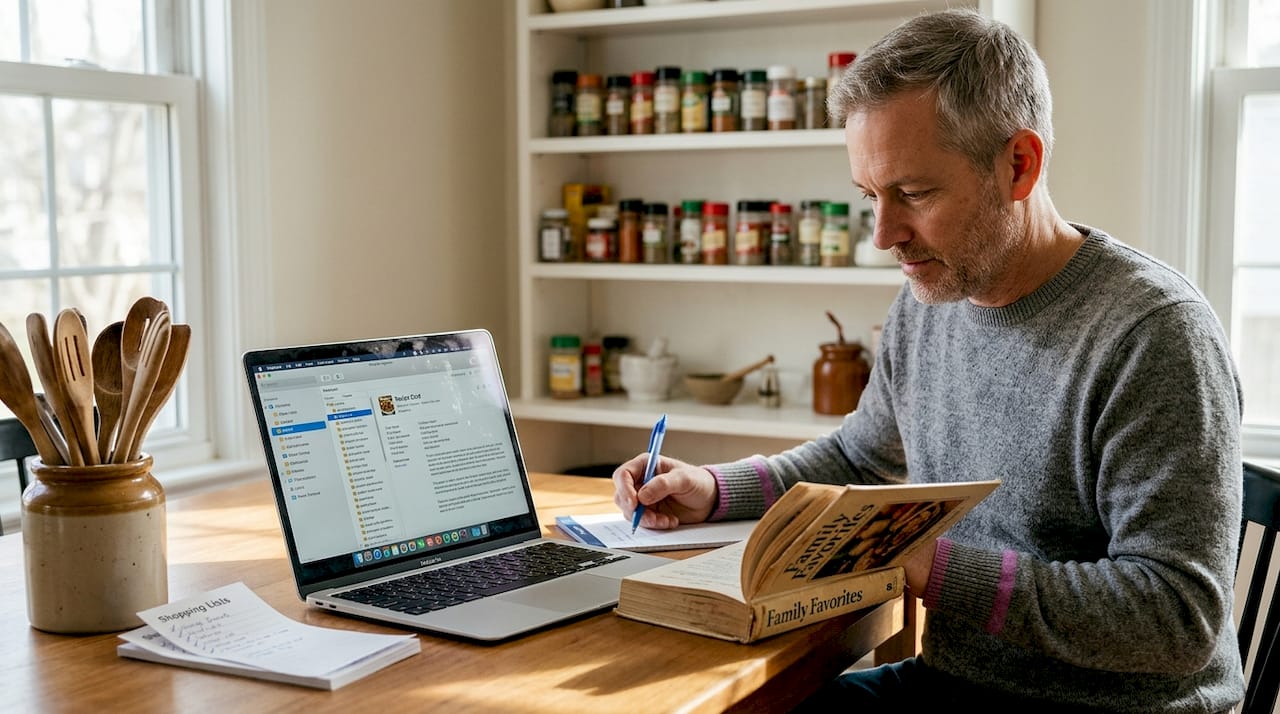
In-kitchen guidance features transform how you execute recipes. Step highlighting keeps your place as you cook, while built-in timers alert you when components need attention. Some platforms offer voice control, letting you navigate recipes hands-free while your hands are covered in flour or handling raw proteins. The ability to scale recipes up or down with a single tap makes adapting meals for unexpected guests or smaller portions effortless.
| Feature | Living Cookbooks | Traditional Cookbooks |
|---|---|---|
| Recipe organization | Searchable, taggable, cloud-synced | Physical indexing, limited search |
| Shopping lists | Auto-generated, consolidated | Manual writing, prone to omissions |
| Ingredient scaling | Instant mathematical adjustment | Manual calculation required |
| In-kitchen guidance | Step highlighting, timers, voice control | Static text only |
| Recipe import | From any URL or social media | Manual transcription |
Pro Tip: Synchronize your digital recipe management system with your smartphone for seamless shopping and cooking. Access recipes while grocery shopping to verify ingredient details and check your pantry inventory in real time.
Maximize efficiency with batch cooking and component prep
Batch cooking transforms your kitchen workflow by preparing proteins, grains, and vegetables in focused sessions that support flexible meal assembly throughout the week. Batch cooking and component prep in two-hour sessions reduce waste by up to 50% and boost home-cooked meal frequency by 40%. This approach shifts cooking from a daily obligation to a strategic activity that multiplies your efficiency.
The method works by identifying recipe components that appear across multiple meals. Roasted chicken, cooked quinoa, and sautéed vegetables serve as building blocks for salads, grain bowls, wraps, and plated dinners. By preparing these elements once, you create a personal meal kit system that enables quick assembly when hunger strikes or time runs short.
To set up effective batch cooking sessions:
- Review your weekly meal plan and identify common components
- Dedicate a two-hour block for prep, typically Sunday afternoon or evening
- Prepare proteins first while oven preheats for vegetables
- Cook grains and legumes in large batches using rice cookers or Instant Pots
- Chop and store vegetables in airtight containers with damp paper towels
- Label everything with preparation dates for food safety tracking
Storage strategy matters as much as preparation technique. Invest in quality glass containers that stack efficiently and maintain freshness. Portion components into meal-sized servings to prevent waste and simplify weeknight assembly. Most cooked proteins and grains last four to five days refrigerated, while properly stored vegetables maintain quality for up to a week.
"Always prep a bit extra beyond your planned meals. When unexpected guests arrive or you need a quick lunch, having ready components means hospitality without stress. I keep 20% more than my weekly plan requires, and it saves me repeatedly." – Professional meal prep consultant
Plan flexible menus with theme nights and swap strategies
Rigid meal plans often fail when life intervenes, but flexible approaches using 10-15 core recipes and the '5-2 framework' of five home-cooked dinners plus two flexible meals adjusts well to real-life food preferences and schedules. Theme nights provide structure without constraint, organizing your repertoire into categories that simplify decision-making while maintaining variety.
Theme night ideas that work for diverse households:
- Italian Monday: Pasta, risotto, or pizza variations
- Taco Tuesday: Mexican-inspired bowls, tacos, or quesadillas
- Wellness Wednesday: Vegetarian or plant-forward meals
- Throwback Thursday: Comfort food classics and family favorites
- Freestyle Friday: Experimentation with new recipes or techniques
- Simple Saturday: One-pot meals or slow cooker dishes
- Sunday Supper: Larger preparations or meal prep sessions
The swap strategy adds another layer of flexibility. Designate backup recipes for each theme that use similar ingredients or cooking methods. If your planned Italian dish requires fresh basil you forgot to buy, swap to a tomato-based pasta that uses dried herbs from your pantry. This approach prevents the all-or-nothing thinking that derails meal plans when one ingredient is unavailable.
| Approach | Pros | Cons |
|---|---|---|
| Rigid meal plans | Precise shopping lists, clear daily expectations | Fails when schedules change, creates food waste |
| Flexible theme plans | Adapts to real life, reduces stress, maintains variety | Requires larger recipe repertoire, needs backup ingredients |
Pro Tip: Keep backups like frozen meals or pantry staples to cover unexpected changes. A well-stocked freezer with pre-portioned soups, sauces, and proteins means you're never more than 20 minutes from a home-cooked meal, even when plans completely derail.
Elevate dining with menu engineering and physiological sequencing
Gourmet multi-course meals benefit from planning with acid/bitter starters for gastric priming, protein anchors with 50% of calories, sensory desserts, and 20-minute intervals between courses. This physiological approach to sequencing transforms home dining into restaurant-quality experiences by working with your body's natural digestive rhythms and sensory responses.
The science behind course sequencing reveals why order matters. Acid and bitter flavors in appetizers stimulate gastric juice production, preparing your stomach for efficient protein digestion. Starting with a light salad dressed in vinaigrette or a citrus-forward ceviche primes your system better than jumping straight to heavy proteins. This preparation enhances nutrient absorption and prevents the sluggish feeling that comes from overwhelming your digestive capacity.
To organize multi-course dinners with sensory and caloric balance:
- Begin with acid or bitter starters (15% of total calories) served 20 minutes before the main
- Follow with a protein-centered main course (50% of calories) featuring complementary vegetables
- Incorporate a palate cleanser if serving more than three courses, typically sorbet or light soup
- Conclude with a sensory dessert (20-25% of calories) that contrasts the main course flavors
- Time courses with 15-20 minute gaps to allow satiety signals to register
- Plan beverage pairings that enhance rather than compete with each dish
Pacing proves as important as sequence. Your brain requires approximately 20 minutes to register fullness signals from your stomach. Rushing through courses leads to overconsumption and discomfort, while proper spacing allows you to enjoy each dish fully and arrive at dessert with appropriate appetite. This timing also gives you breathing room in the kitchen to finalize each course without stress.
"When hosting, I always prepare for two extra portions beyond my guest count. Someone inevitably brings a plus-one, or a neighbor drops by. Having those extra servings plated and ready in the warming drawer means I can be gracious without scrambling." – Culinary instructor and private chef
Applying gourmet menu engineering principles at home doesn't require professional training. Start with three-course meals, master the timing and flavor progression, then expand to more elaborate sequences as your confidence grows. The investment in planning pays dividends in guest satisfaction and your own enjoyment of the meal.
Discover Mixova for seamless recipe import and meal planning
Bringing all these strategies together requires the right digital tools. Mixova meal planning app simplifies organizing recipes and building personalized meal plans by letting you import from any source with a single tap. Whether you discover inspiration on Instagram, TikTok, YouTube, or food blogs, Mixova extracts the recipe data and standardizes ingredients to match your pantry inventory.
The platform's drag-and-drop calendar integrates perfectly with batch cooking and flexible menu strategies discussed earlier. Plan your theme nights visually, swap recipes when schedules change, and generate consolidated shopping lists that account for ingredients across your entire week. The ingredient normalization feature ensures consistency, converting varied measurements into your preferred units and identifying duplicates across recipes.
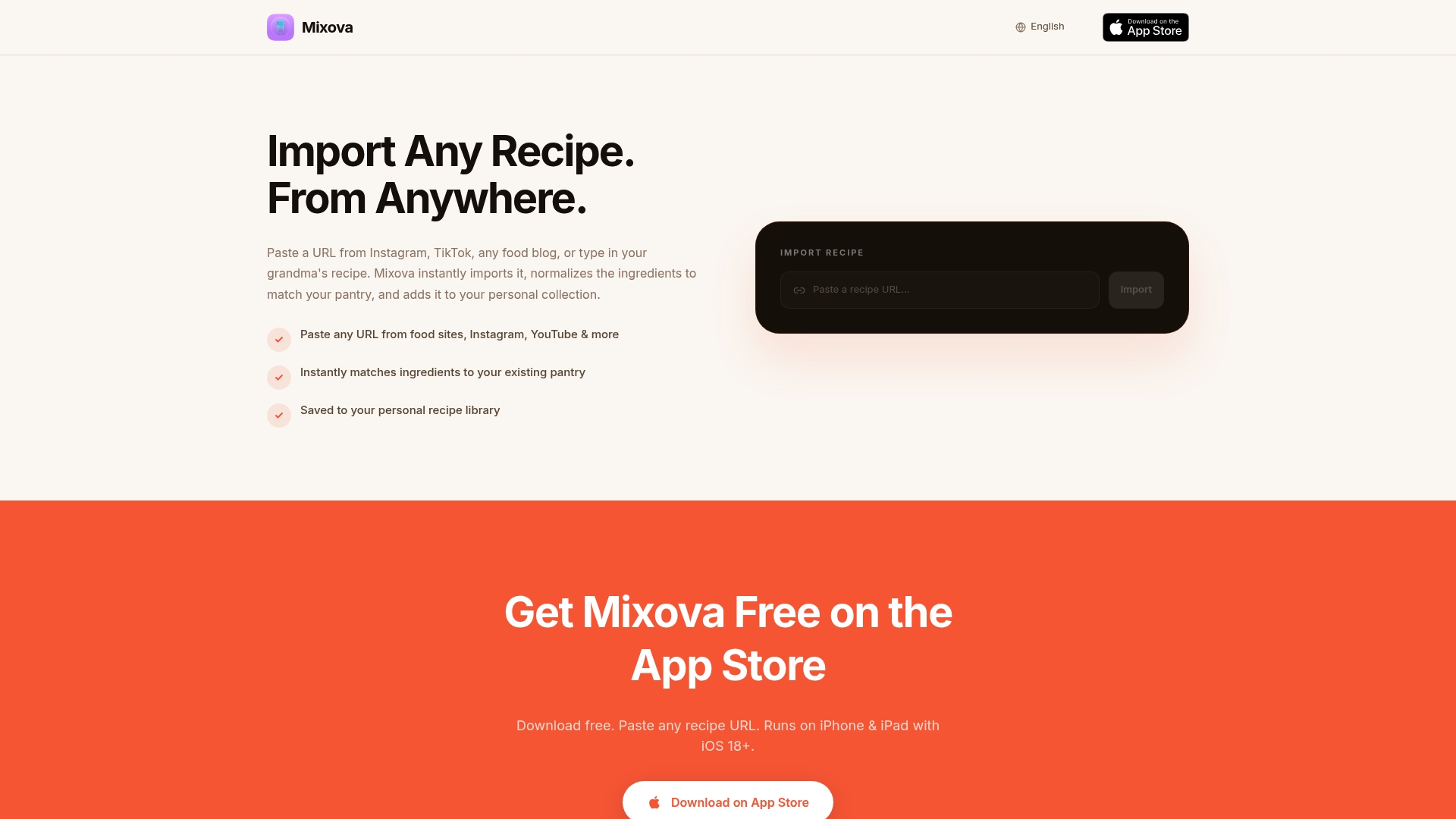
For tech-savvy foodies seeking efficiency and culinary inspiration, Mixova eliminates the friction between discovering recipes and executing meal plans. The iOS app requires no account setup, letting you start organizing immediately. Synchronize your favorite recipes for quick access when hosting or creating gourmet menus, and scale ingredients instantly when guest counts change.
Pro Tip: Use Mixova to build seasonal recipe collections that rotate throughout the year. Tag recipes by season, dietary preference, and cooking method to quickly filter your library and find exactly what you need for any occasion.
Frequently asked questions
What is the best way to start meal planning as a foodie?
Begin by selecting 10-15 favorite recipes that you genuinely enjoy cooking and eating. Experiment with AI apps or living cookbooks to simplify the planning and shopping process. Start with just three planned dinners per week, leaving flexibility for spontaneous cooking or dining out, then expand as the routine becomes comfortable.
How can I reduce food waste when meal planning?
Batch cook staples and plan meals that reuse components across multiple dishes throughout the week. Flexible swapping helps you use leftovers creatively rather than letting them spoil. Track expiration dates in your pantry and prioritize recipes that incorporate ingredients nearing their end of freshness.
What are living cookbooks and how do they help meal planning?
Living cookbook benefits include dynamic digital recipe collections that generate meal calendars and shopping lists automatically. They consolidate ingredients across multiple recipes, scale servings with a tap, and provide in-kitchen guidance through step highlighting and timers. This organization dramatically improves efficiency compared to managing scattered recipes across websites, apps, and paper sources.
How long should I spend on weekly meal planning?
With modern tools, effective meal planning takes 10-20 minutes weekly once you establish your core recipe rotation. AI-powered planners reduce this further by automating menu generation based on your preferences. The initial setup requires more time to build your recipe library and define preferences, but ongoing maintenance becomes quick and almost effortless.
Can I meal plan effectively for both weeknight dinners and weekend entertaining?
Absolutely. Use theme nights and flexible menus for weeknight efficiency, reserving weekends for more elaborate multi-course meals that apply menu engineering principles. Your batch-cooked components from Sunday prep sessions serve double duty, supporting quick weeknight assembly while providing building blocks for more sophisticated weekend dishes. Keep your recipe library organized by occasion type to quickly filter options appropriate for each context.
Try Mixova for free
Import any recipe from Instagram, TikTok, or any food blog in seconds.